Libanesisk rispilaf

Lebanese Rice Pilaf

Servings

4

Prep Time

10 minutes

Cook Time

20 minutes

Calories

210

Cuisine

Lebanese

Category

Side Dish

Lebanese Rice Pilaf is a quintessential dish that reflects the heart and soul of Lebanese cuisine. This dish combines the delicate texture of long grain rice with the nutty flavor of toasted vermicelli noodles, creating a harmonious blend that is both simple and sophisticated. 


The process begins with thoroughly rinsing the rice to remove excess starch, ensuring that every grain cooks to a light and fluffy perfection. In a sturdy saucepan, butter is melted and used to toast the broken vermicelli until it achieves a gorgeous golden hue, releasing an aroma that hints at the depth of flavor to come. Once the rice is added, it soaks up the buttery essence and the toasted notes from the vermicelli. 


When the chicken broth is poured in and the mixture brought to a gentle boil, the flavors meld together beautifully, with a subtle suggestion of ground allspice adding an extra layer of warmth. After simmering until tender, the rice is allowed to rest, ensuring that the steam finishes the cooking process and every grain is perfectly separated.


In the vibrant culinary landscape of Lebanon, rice is more than just a side dish—it is a celebration of tradition and hospitality. Whether served as an accompaniment to succulent grilled meats, tender kebabs, or hearty stews, Lebanese Rice Pilaf offers a taste of home and a touch of elegance. 


The final flourish of toasted pine nuts and a sprinkle of fresh parsley not only elevates the presentation but also adds a delightful crunch and burst of color. 


This versatile dish is ideal for family gatherings, festive occasions, or a simple yet satisfying meal at home. Its ease of preparation and comforting flavors make it a beloved staple that invites you to explore the rich heritage of Lebanese cuisine with every bite.

Lebanese Rice Pilaf

Ingredients

  • 1 cup long grain rice (such as basmati)

  • 1/2 cup broken vermicelli noodles

  • 2 tablespoons butter

  • 2 cups chicken broth (or water for a lighter version)

  • Salt, to taste

  • 1/4 teaspoon ground allspice (optional)

  • 2 tablespoons toasted pine nuts (for garnish)

  • 2 tablespoons chopped fresh parsley (for garnish)

Directions

  1. Rinse the rice under cold water until the water runs clear. Drain well.

  2. In a medium saucepan, melt the butter over medium heat. Add the broken vermicelli noodles and sauté until they turn a beautiful golden brown, stirring frequently to avoid burning.

  3. Stir in the rinsed rice and cook for an additional 1-2 minutes, allowing the rice to become coated in the butter and toasted vermicelli.

  4. Pour in the chicken broth and season with salt (and ground allspice, if using). Bring the mixture to a boil.

  5. Once boiling, reduce the heat to low, cover the saucepan, and let it simmer for 15-20 minutes, or until the rice is tender and the liquid is fully absorbed.

  6. Remove the pan from heat and allow the rice to stand, covered, for 5 minutes. Fluff the rice gently with a fork.

  7. Garnish with toasted pine nuts and chopped parsley before serving.

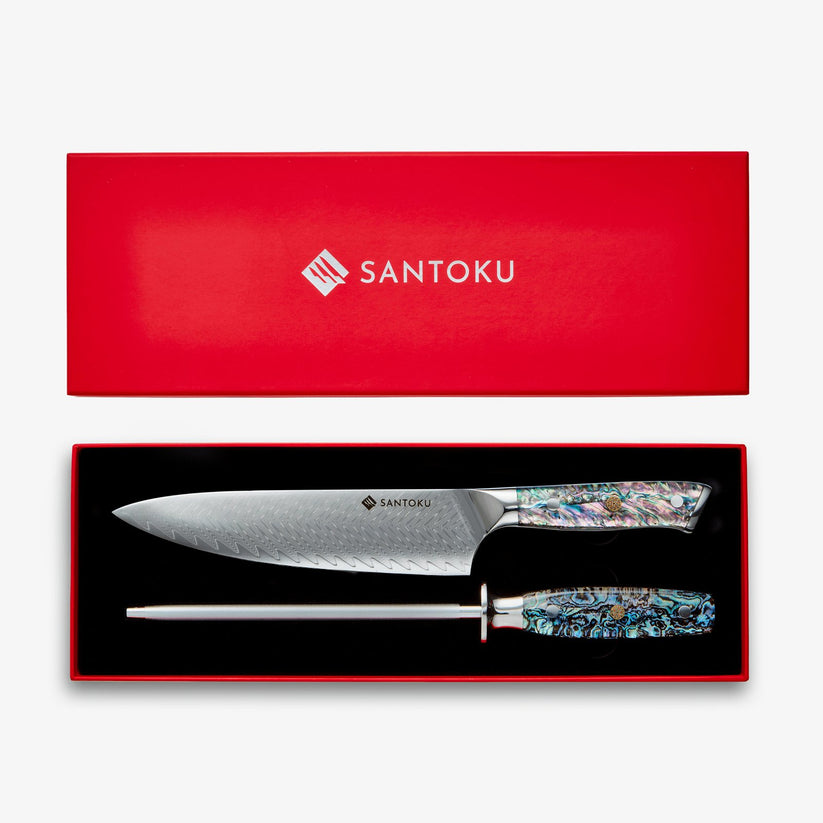
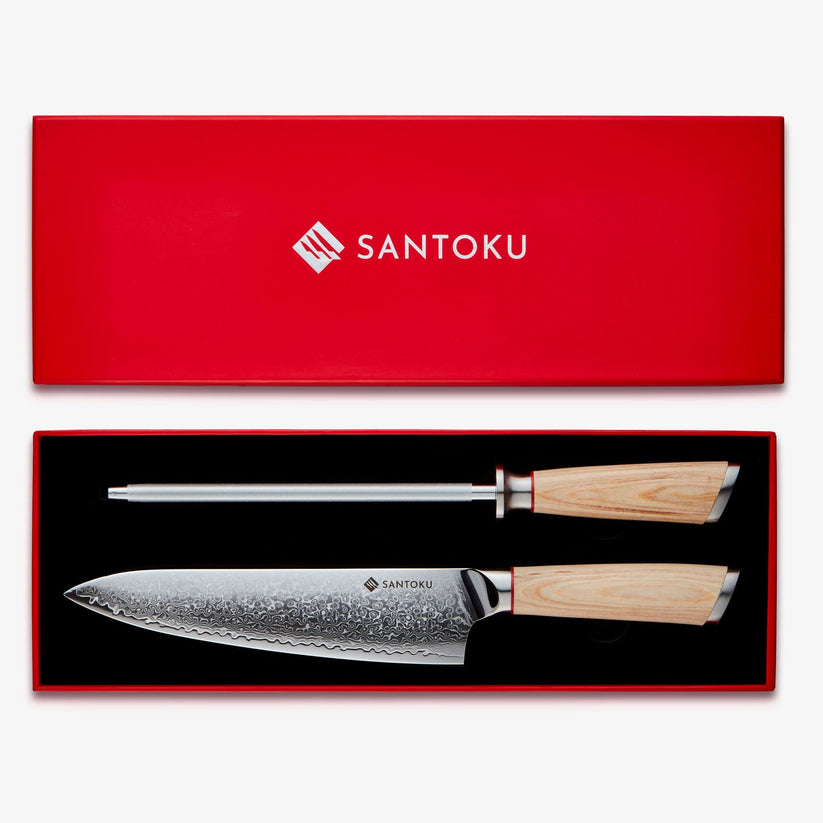
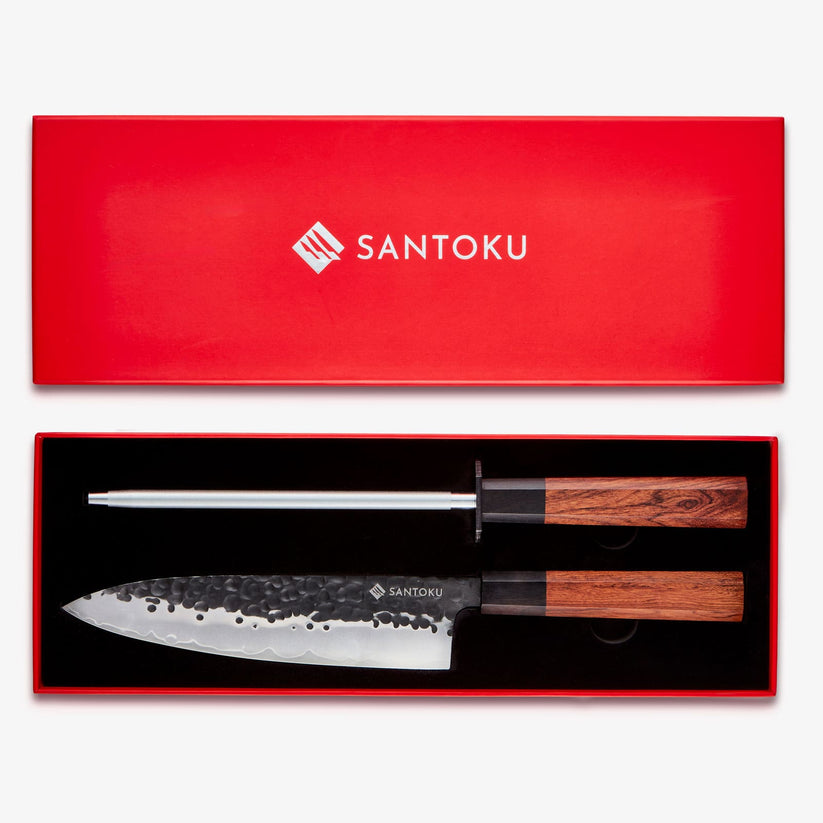
Upgrade Your Kitchen Tools

Make recipe prep easier with professional-grade knives

Browse Collection

10 tips När du lagar libanesiska rispilaf:

  1. Skölj riset noggrant för att ta bort överskottsstärkelse för fluffigare korn.
  2. Rostat bröd vermicelli-nudlarna i smör tills de blir en rik gyllenbrun.
  3. Använd en tungbotten kastrull för att säkerställa jämn värmefördelning.
  4. Mät vätskan exakt för att uppnå den perfekta risstrukturen.
  5. Välj kycklingbuljong för att lägga till en robust smak eller vatten för en lättare smak.
  6. Håll en mild sjudning för att förhindra att förbränning och stickning.
  7. Låt riset vila efter matlagning så att smakerna smälter.
  8. Rör om försiktigt när du fluffar för att undvika att bryta riskornen.
  9. Rostat bröd pinjenötter separat för att uppnå en jämn, gyllene finish.
  10. Justera salt och valfria kryddor som passar din smakpreferens.


Servera det med förslag:

  • Servera libanesiska rispilaf som en sidorätt för att komplettera grillat kött, kebab eller hjärtliga grytor.
  • Det parar också vackert med en färsk sallad, hummus eller tabbouleh, vilket gör det till ett mångsidigt tillskott till alla Mellanösterns fest.
  • För en komplett måltid kan du överväga att servera den tillsammans med rostade grönsaker eller varmt pitabröd.


Vanliga frågor

F: Kan jag använda vatten istället för kycklingbuljong för libanesiska ris pilaf?
A: Ja, vatten kan användas, även om kycklingbuljong ger en rikare och mer robust smak.

F: Är libanesiska rispilaf lämplig för veganer?
A: Absolut! Byt helt enkelt smör med olivolja och använd vegetabilisk buljong i stället för kycklingbuljong.

F: Hur förhindrar jag att vermicelli brinner medan jag rostar?
A: Rör kontinuerligt över medelhög värme och övervaka noggrant tills nudlarna blir gyllenbrun.

F: Kan jag lägga till ytterligare kryddor till libanesiska rispilaf för att förbättra smaken?
A: Ja, du kan experimentera med kryddor som kummin eller gurkmeja för en unik twist.

F: Vilken typ av ris fungerar bäst för libanesiska rispilaf?
A: Långkornsris som Basmati är idealiskt för att uppnå en lätt och fluffig konsistens.

F: Hur länge ska jag låta riset vila efter tillagningen?
A: Låt den vila, täckt, i cirka 5 minuter innan fluffning.

F: Kan jag förbereda libanesiska rispilaf i förväg?
A: Ja, du kan göra det i förväg och värma det försiktigt på spisen.

F: Är libanesiska ris glutenfri?
A: Ja, så länge alla ingredienser är glutenfria är denna maträtt naturligt glutenfri.

F: Hur rostar jag ordentligt pinjenötter för garnering?
A: Skål dem i en torr panna på medelhög värme, rör om ofta tills de är gyllenbrun.

F: Vilka rätter går bra med libanesiska rispilaf?
A: Det parar underbart med grillat kött, kebab, grytor och olika Mellanöstern rätter.


Chef's Recommendation

"A sharp knife is your best friend in the kitchen. For recipes like this, I always reach for my Chikashi chef knife - it gives me the control and precision I need for perfect results every time."
Chef's Note: A sharp knife not only makes prep work faster but also safer - dull knives require more pressure and are more likely to slip.

Discover why our Japanese-style knife sets are trusted by home cooks and professionals alike.

Shop Professional Knives →
Tillbaka till bloggen